Pay attention to our company information and see new product information in time
Categories List
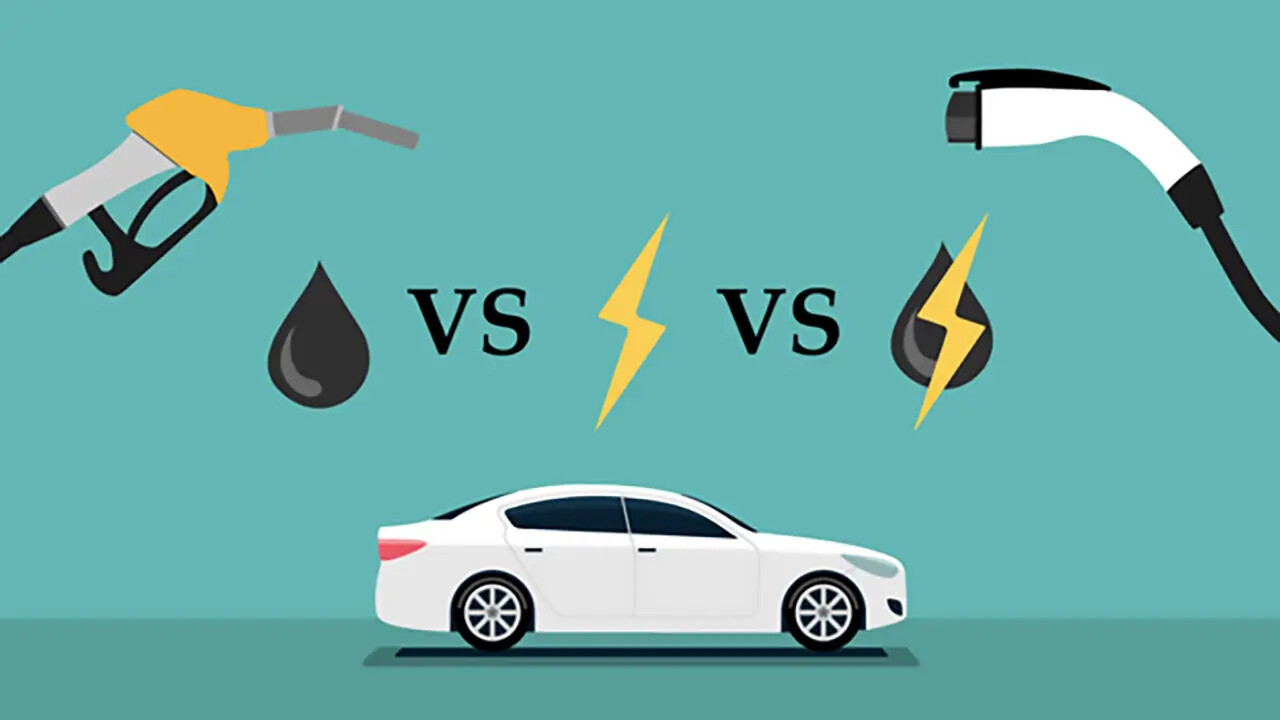
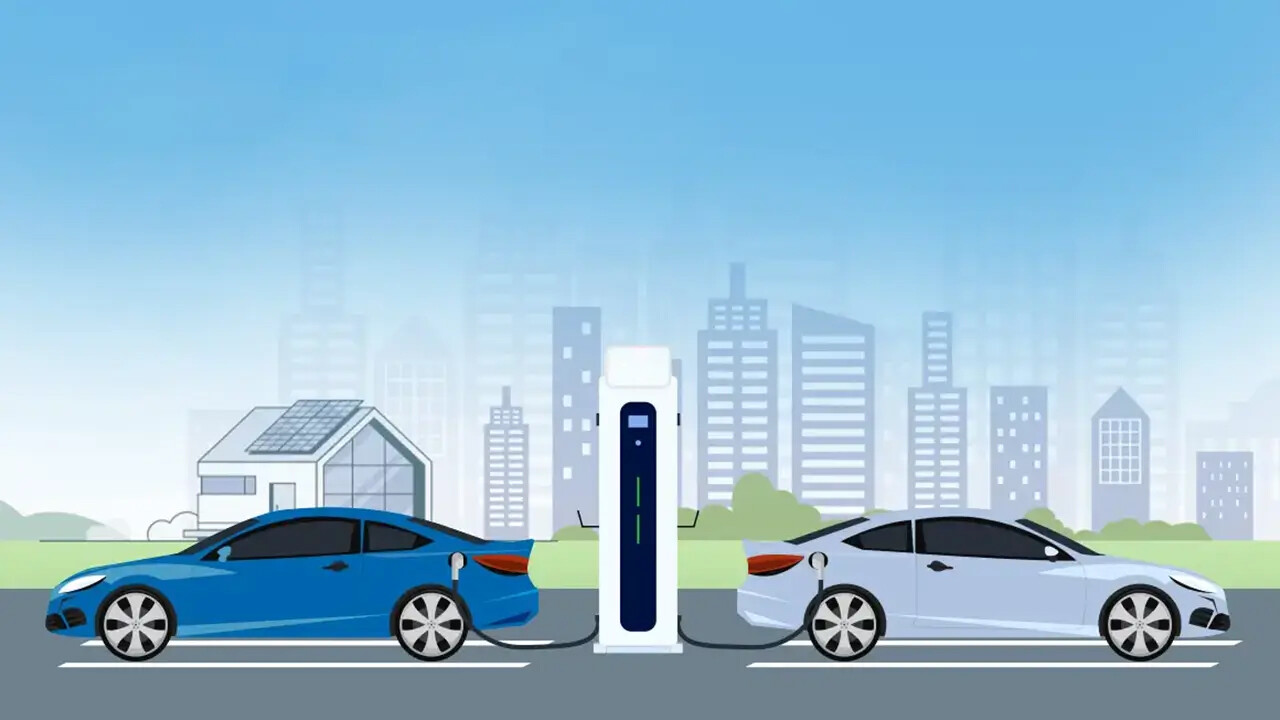
With growing concerns about environmental impact, emissions, and energy dependence, many car companies worldwide are actively launching hybrid and electrified products to adapt to market changes.
Meanwhile, customers are keen on these new technologies, too, as they reduce travel costs and contribute to environmental protection. It’s definitely an exciting time of change!
This article will give a comprehensive car analysis that compares the key aspects of conventional and electric vehicles and offers suggestions, helping users understand the differences and make informed purchasing decisions.
Performance Comparison
Electric vehicles have obviously improved in recent years and now offer compelling driving experiences. The following electric vehicles vs. conventional vehicles comparisons highlight the performance car analysis in detail:
1. Power Response Speed
Electric vehicles typically have a faster power response speed. This is because the electric motor can provide maximum torque in seconds without waiting for an increase in speed like internal combustion engines.
EVs reach peak torque immediately and can go from 0 to 60 mph, which is many seconds faster than gasoline vehicles. Car analysis shows that torque is also more consistent throughout the acceleration band.
2. Manipulation Experience
Thanks to the battery pack at the bottom of the vehicle, this design helps to lower the center of gravity of electric vehicles. A lower center of gravity can improve cars’ stability, especially during high-speed driving and turning.
The internal combustion engine and drive system of traditional cars are usually located at the front of the vehicle, which may result in a higher center of gravity and affect operation stability.
Economic Comparison
This is a major difference between electric vehicle and conventional vehicle. While purchase prices remain higher than conventional vehicles, the total costs of EV ownership are becoming increasingly competitive as fuel and maintenance costs are lower for electric vehicles.
1. Purchase Cost
The purchase cost of traditional fuel vehicles is usually lower, and there are multiple price ranges to choose from because their production technology is mature with a stable supply chain.
The purchase cost of EVs is usually higher than that of traditional fuel vehicles. This is mainly due to the high cost of batteries. However, this upfront cost gap is continuing to narrow as battery prices decline and automakers benefit from large-scale production.
Moreover, many countries offer tax incentives and subsidies to families who purchase electric vehicles, which potentially reduces the cost of purchasing electric vehicles.
2. Fuel Cost
Even with recent gasoline price drops, electricity remains significantly cheaper than gas per mile when compared via car analysis. Because the electricity price is usually lower than gasoline or diesel, and EVs have higher energy conversion efficiency.
On average, fueling an EV is one-third the cost of fueling a gas-powered car. Range improvements are also allowing more affordable long-distance travel.
Environmental Impact Comparison
By eliminating tailpipe emissions and reducing other forms of pollution, EVs offer a much cleaner transportation alternative. Here is the environmental impact aspect of car analysis:
1. Noise Pollution
EVs run much more quietly than conventional vehicles. They use electric motors and will not produce engine and exhaust noise like traditional cars do.
It’s an important factor in urban environments and communities where noise can disturb residents. The lack of engine noise from EVs provides a calming driving experience.
2. Greenhouse Gas Emissions
Even considering the different sources of electricity used to charge electric vehicles, such as coal and renewable energy, car analysis on gas emissions also shows EVs produce significantly less carbon dioxide emissions per mile than gasoline cars. EVs are a meaningful solution for helping address climate change.
Maintenance and Long-term Value Comparison
EVs have fewer moving components than conventional cars. They also require no oil changes, so maintenance costs are much lower over time.
Additionally, car analysis shows that a lot of owner concerns regarding longevity are addressed when it comes to EVs.
1. Maintenance Requirements
EVs have no transmission, fewer fluids to change, and brake pads that typically last many times longer. Many EVs also come with 8-year/100,000-mile warranties on major expensive components, reducing long-term repair costs. [1]
However, electric vehicles use advanced battery technology and complex electrical systems, which pose higher requirements for maintenance and repair. Due to a more comprehensive maintenance service network for fuel vehicles, users can easily find maintenance personnel.
2. Long-Term Value
Now, lower resale values versus gasoline vehicles have limited electric car adoption. However, EV resale values are growing as battery and drive component warranties expand to 10 years or more in many cases.
Software and firmware updates also frequently enhance functionality over the life of EVs, unlike combustion vehicles. These car analysis factors for electric cars vs. gas cars are improving the long-term retention of an EV’s value compared to gas cars.
Here is a summary table of conventional vs. electric vehicle car analysis:
Summary and Analysis of the Application Situation
Based on the detailed gasoline vs. electric cars analysis comparison across various criteria, there are specific pros and cons of electric cars.
- Overall, EVs have significant advantages over traditional gasoline vehicles in terms of environmental friendliness, the total cost of ownership savings, and their stronger performance, like faster acceleration and EV efficiency.
- However, their higher upfront purchase price remains a barrier for many consumers despite government incentives narrowing the gap. Current EV application is also limited by inadequacies in charging infrastructure and remaining range anxiety challenges, though rapid technological advancements are addressing these issues.
Electric cars account for a small percentage of worldwide vehicle sales due to such factors. However, automakers are recognizing market demand and transitioning more investments towards EVs.
Car analysis indicates that technological progress and large-scale adoption will lower the price of electric vehicles and attract more buyers!
Leave A Reply

What are you lookking for?